
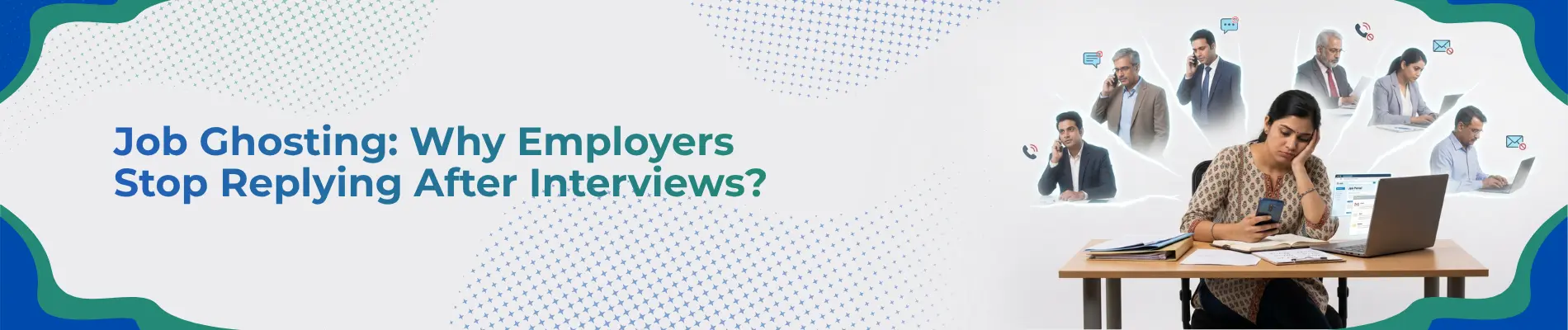
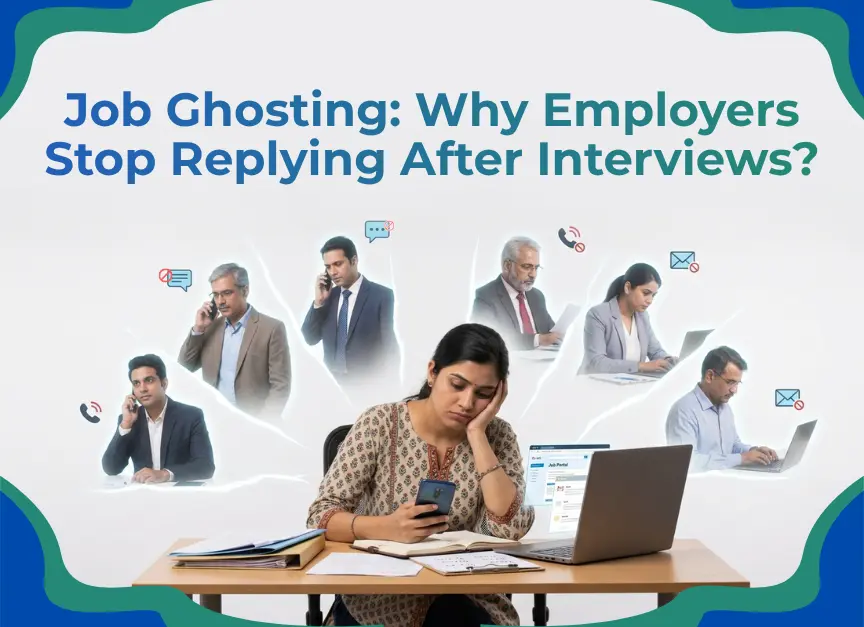
Job Ghosting: Why Employers Stop Replying After Interviews
Written By JobsBob Editor Team
Updated 02 June 2026
Finished multiple job interviews but still waiting for a response? You are not alone. Many job seekers today face situations where recruiters suddenly stop replying after interviews. This situation often leaves candidates confused, frustrated, and unsure about whether they are still being considered for the role.
This problem has become increasingly common in modern recruitment. Many job seekers report completing several interview processes, receiving positive feedback, and then hearing nothing from the company afterward. Such a lack of communication can negatively affect a candidate’s confidence and trust in the hiring process.
In this blog, we will explain what job ghosting is, why employers stop responding after interviews, the common signs candidates should notice, and how to handle the situation professionally.
What Is Job Ghosting?
Job ghosting happens when an employer suddenly stops communicating with a candidate during the hiring process. This can happen at different stages, such as:
-
After submitting a job application
-
After the first interview
-
After multiple interview rounds
-
Even after completing assignments or assessments
For example, a company may tell a candidate that they will receive an update within one week. However, weeks pass without any response. Emails remain unanswered, and recruiters stop replying. This is one of the most common examples of recruiters suddenly cutting communication.
Why Is Job Ghosting Becoming the Norm?
Job ghosting has become more common in modern recruitment because hiring processes today are faster and more competitive than before. Recruiters often manage multiple job openings, deadlines, and interviews simultaneously, which can create communication gaps during the hiring process.
In many cases, companies also change hiring priorities, pause recruitment, or move forward with internal candidates without properly updating other applicants. As a result, many job seekers experience silence from employers even after completing interviews or receiving positive feedback.
Common Reasons Employers Ghost Candidates
There are several reasons why companies engage in ghosting job interviews. Understanding these reasons can help job seekers manage expectations during the hiring process.
1. Another Candidate Was Selected
The most common reason for ghosting candidates is that the company has already chosen another applicant. Recruiters often focus on completing the hiring process with the selected candidate and may not send rejection emails to everyone else.
Example: A company interviews five candidates for a marketing role but hires one person and does not update the other four applicants.
2. Hiring Process Is Delayed or Paused
Sometimes companies pause hiring due to budget changes, company restructuring, or changes in project priorities. When this happens, recruiters may stop communicating with candidates temporarily.
Example: A company plans to hire a new software developer, but pauses recruitment after the project budget is reduced.
3. Poor Communication from HR Teams
Recruiters and HR managers often handle many responsibilities at the same time, including screening resumes, scheduling interviews, and managing employees. Because of this heavy workload, follow-ups after the interview process can sometimes be missed, leading to communication gaps with candidates.
4. Large Number of Applicants
On platforms like LinkedIn or Indeed, a single job posting can receive 200–500 applications within a few days. Because of this high volume, recruiters may only contact shortlisted candidates and unintentionally create ghosting job situations.
5. Long Hiring Decisions
Some companies take weeks to finalize hiring decisions because multiple managers are involved. During this period, candidates may feel ignored because they do not receive updates, even though the company is still evaluating applicants.
The Impact of Employer Ghosting on Candidates
Recruiter ghosting can have several negative effects on job seekers.
-
First, it creates uncertainty. After completing multiple job interviews, candidates expect feedback about whether they were selected or rejected. When companies fail to respond, applicants remain unsure about their status.
-
Second, ghosting on candidates can damage confidence. Many job seekers spend significant time preparing for interviews, researching companies, and completing assignments. When they receive no response, they may feel that their effort was wasted.
-
Third, ghosting job situations can slow down a candidate’s job search. Applicants may delay applying to other positions while waiting for a response from a company that never replies.
Signs You Are Being Ghosted
Sometimes it can be difficult to understand whether a company is simply delayed or has stopped considering your application completely. However, some common signs usually indicate job ghosting.
1. No Response Even After the Expected Timeline
Most recruiters share an estimated timeline after interviews, such as “We will update you within a week.” If that timeline passes and you still receive no response, it may be an early sign that the company may no longer be moving forward.
2. Follow-Up Emails Stay Unanswered
Sending one or two polite follow-up emails after an interview is completely normal. However, if recruiters continue ignoring your emails for several days or weeks, there is a strong chance that communication has stopped.
3. Recruiters Suddenly Stop Replying
In many ghosting job interviews, recruiters initially respond quickly but suddenly disappear after the final interview rounds. Calls, emails, or LinkedIn messages may go unanswered without any explanation.
4. You Receive Positive Feedback but No Final Update
Sometimes candidates are told things like “Your interview went well” or “The team really liked your profile,” but they never receive a final decision afterward. This is one of the most confusing signs of recruiter ghosting because candidates continue waiting with false hope.
5. The Job Posting Disappears Without Any Update
If the company suddenly removes the job listing from platforms like JobsBob, LinkedIn, or its careers page, without informing candidates, it could mean the position has already been filled, or hiring has been paused internally.
6. Interview Rounds Suddenly Stop
A major sign of employer ghosting is when the hiring process suddenly goes silent after multiple rounds of interviews, assessments, or assignments. If no next steps, feedback, or updates are shared, the company may no longer be actively moving forward with your application.
How to Handle Ghosting Job Interviews Professionally
Although ghosting candidates can be frustrating, there are several ways job seekers can respond professionally.
1. Send a Professional Follow-Up Email
If you have not received any response within 5–7 days after the interview, it is a good idea to send a polite follow-up email. This shows professionalism and reminds the hiring manager about your application.
Simple Follow-Up Email Example
Subject: Follow-Up on Interview for [Job Position]
Dear [Hiring Manager’s Name], Thank you for the opportunity to interview for the [Job Position] role on [Interview Date]. I really enjoyed learning more about the company and the team. I am very interested in this opportunity and believe my skills in [mention a relevant skill or experience] would allow me to contribute positively to your organization. I just wanted to kindly ask if there are any updates regarding the hiring process. I look forward to hearing from you.
Thank you again for your time and consideration.
Best regards,
[Your Name]
2. Keep Applying for Other Jobs
One of the biggest mistakes candidates make is waiting for one company’s response. Even if you feel confident about your interview, continue applying for other opportunities. Use job platforms like LinkedIn, Indeed, Glassdoor, and company career websites to find new openings. Successful job seekers usually apply to multiple active positions at the same time. This increases your chances of receiving offers and prevents disappointment if employers suddenly stop responding later.
3. Stay Professional and Positive
When facing silence from recruiters, it is important to remain professional. Avoid sending angry messages or complaining online about the company. Sometimes companies face internal issues such as budget changes, hiring delays, or management decisions. These situations often cause communication gaps. Maintaining a professional attitude helps protect your reputation and keeps future opportunities open.
Conclusion
Job ghosting is a frustrating part of today’s hiring process. Whether it happens because of hiring delays, poor communication, or internal company decisions, the result for candidates is often the same: silence after interviews. The best way to beat ghosting jobs is to stay active, keep your head up, and continue applying for new opportunities. Staying prepared, improving interview performance, and remaining consistent in your efforts can increase your chances of success.
Frequently Asked Questions
1. What is job ghosting?
Job ghosting happens when a company suddenly stops responding during the hiring process. This can occur after applications, interviews, or assessments. Candidates are left without any updates, feedback, or final decision from the employer.
2. How do you know if a company has ghosted you?
You may notice recruiters stop replying after interviews or stop responding to emails and calls. This is often seen in cases of recruiter ghosting, where there are no updates after the expected timeline, and the hiring process feels inactive. Sometimes the job posting is also removed without notice.
3. What should you do if a company stops responding after interviews?
Send one polite follow-up email and wait for a response. If there is still no reply, continue applying for other roles. Avoid depending on a single opportunity and keep your job search active and consistent.
4. How long should you wait after an interview before following up?
Waiting around 5–7 business days is usually appropriate before following up. Some companies may take longer due to internal steps. If there is no response after one or two follow-ups, it is better to move forward instead of staying stuck in ghosting candidates situations.
5. How can candidates handle employer silence professionally?
Stay calm and avoid reacting emotionally when recruiters don’t respond. Focus on continuing your job search and improving your interview preparation. Handling such recruiter ghosting situations professionally helps maintain confidence and keeps future opportunities open.